
Kyutech Space Solution for Emergings

Space solution
for everyone

Sustainable space development.
A launch is not the end.
We work alongside emerging nations
until they can build space service
and solution for the world.

NEWS

NEWS

  • [DUMMY] News item 1 of 2026
  • [DUMMY] News item 2 of 2026
  • [DUMMY] News item 3 of 2026
  • [DUMMY] News item 4 of 2026
  • [DUMMY] News item 5 of 2026
  • [DUMMY] News item 6 of 2026
  • [DUMMY] News item 7 of 2026
  • [DUMMY] News item 8 of 2026
  • Courtesy visit to the Mayor of Kitakyushu (opens in a new tab)
  • KS4E, Inc. founded (opens in a new tab)
  • [DUMMY] News item 1 of 2025
  • [DUMMY] News item 2 of 2025
  • [DUMMY] News item 3 of 2025
  • Selected for the COMPASS Kokura acceleration program
  • [DUMMY] News item 4 of 2025
  • [DUMMY] News item 5 of 2025
  • [DUMMY] News item 1 of 2024
  • [DUMMY] News item 7 of 2024
  • [DUMMY] News item 2 of 2024
  • [DUMMY] News item 3 of 2024
  • [DUMMY] News item 4 of 2024
  • Selected for PARKS, a university startup ecosystem program
  • [DUMMY] News item 5 of 2024
  • [DUMMY] News item 6 of 2024

01 — CHALLENGE

PROBLEM
DEFINITION

More and more countries are entering the space sector. But for countries with little experience in space technology, buying a satellite is often only the beginning.

You can buy a satellite from a company in Europe, the United States, or elsewhere. But without the knowledge and skills to understand and use the technology, you remain dependent on others for specifications, costs, data, and the next mission.

We believe a space program should do more than deliver a satellite.

It should build knowledge, develop people, and create the capability to take the next step.

That is what we aim to achieve at KS4E.

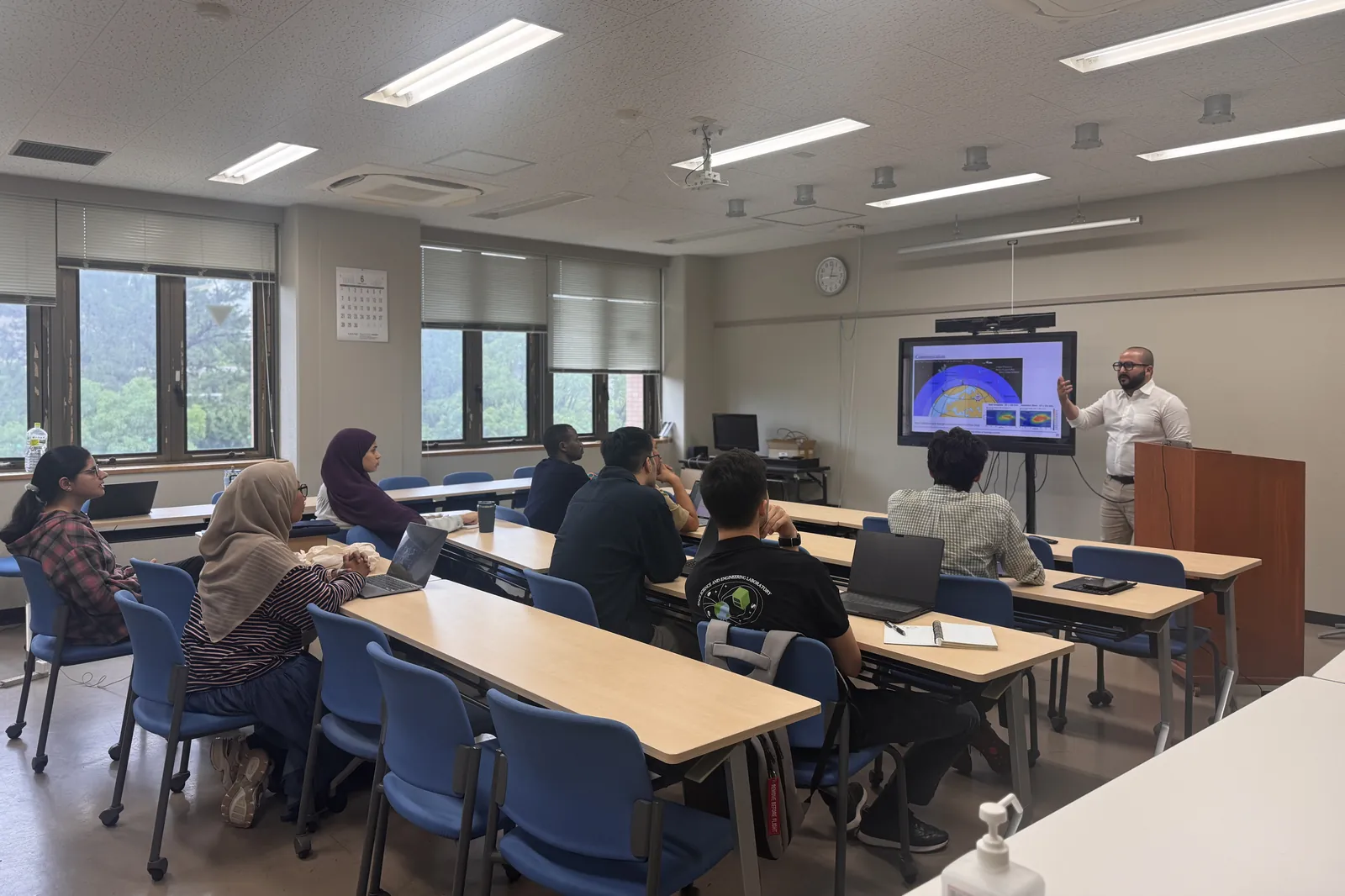
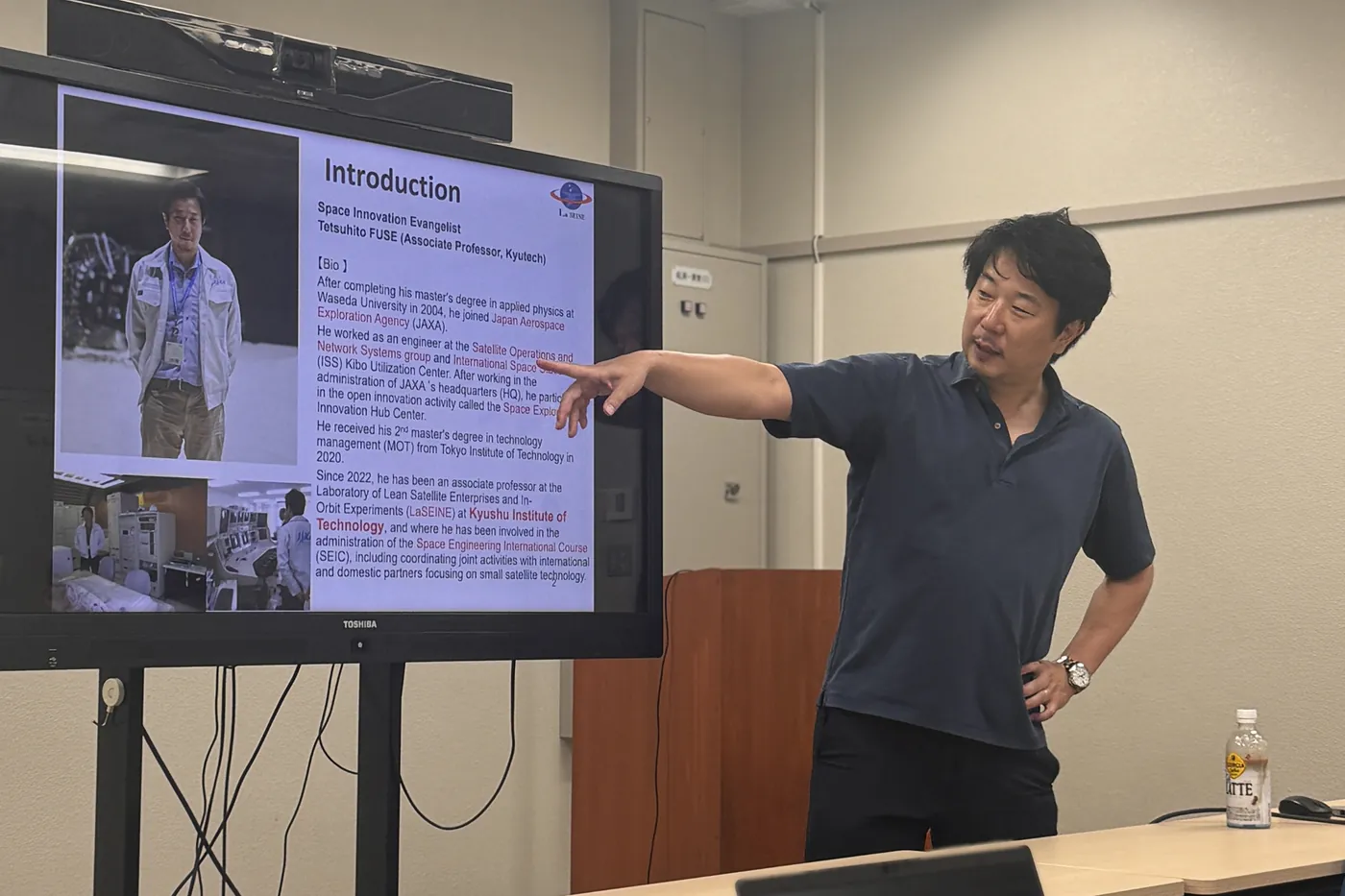
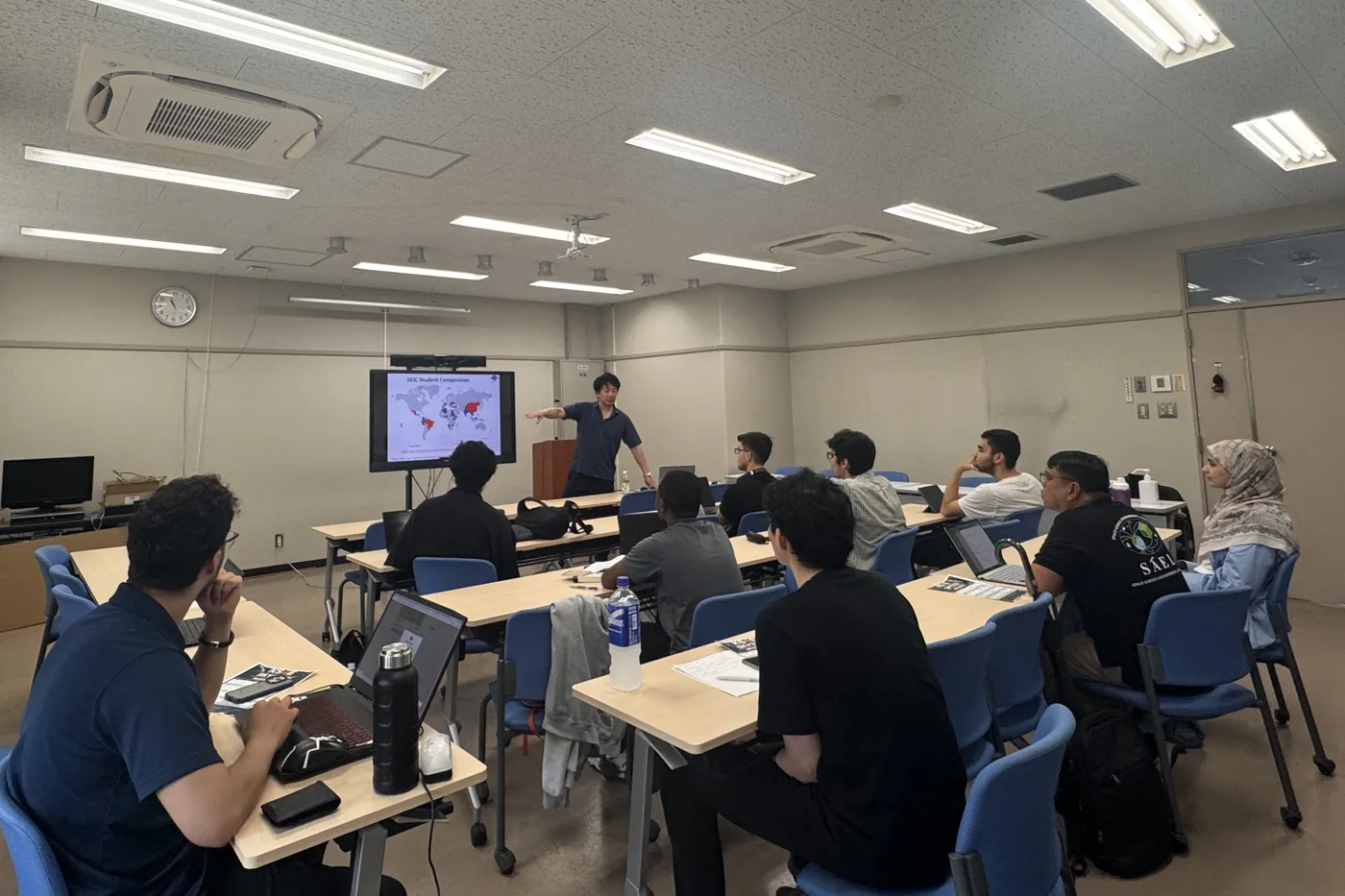
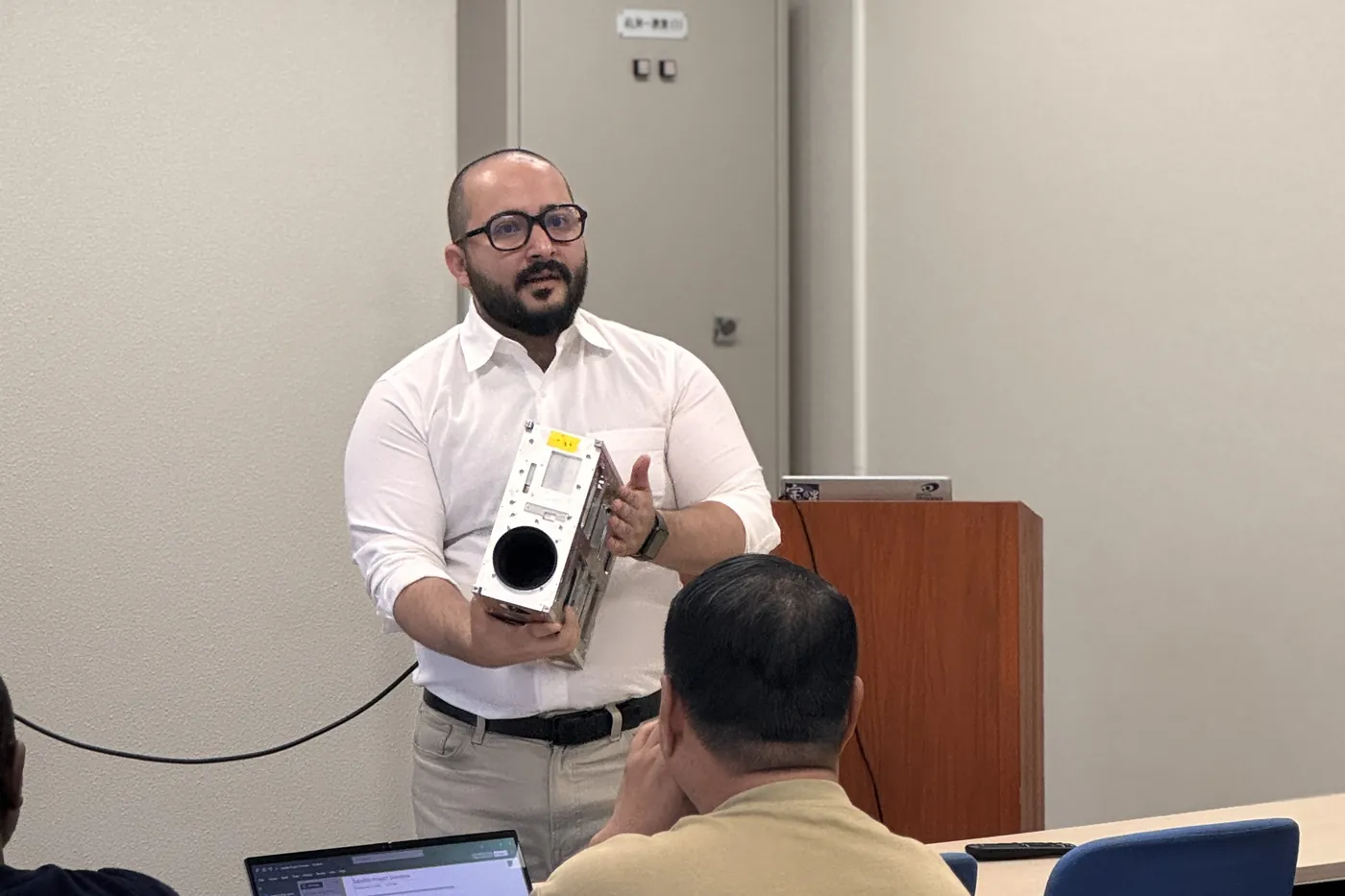
An instructor lecturing to trainees with a world map on screen An instructor walking through the satellite training kit

02 — OUR ANSWER

CAPACITY
BUILDING

What we deliver is not a satellite. It is the ability to build one.

The educational heritage built up through the BIRDS program at Kyushu Institute of Technology (Kyutech) is offered as a training service exactly as it stands. It begins with lectures, moves to hands-on work, and ends with you placing your own satellite in orbit.

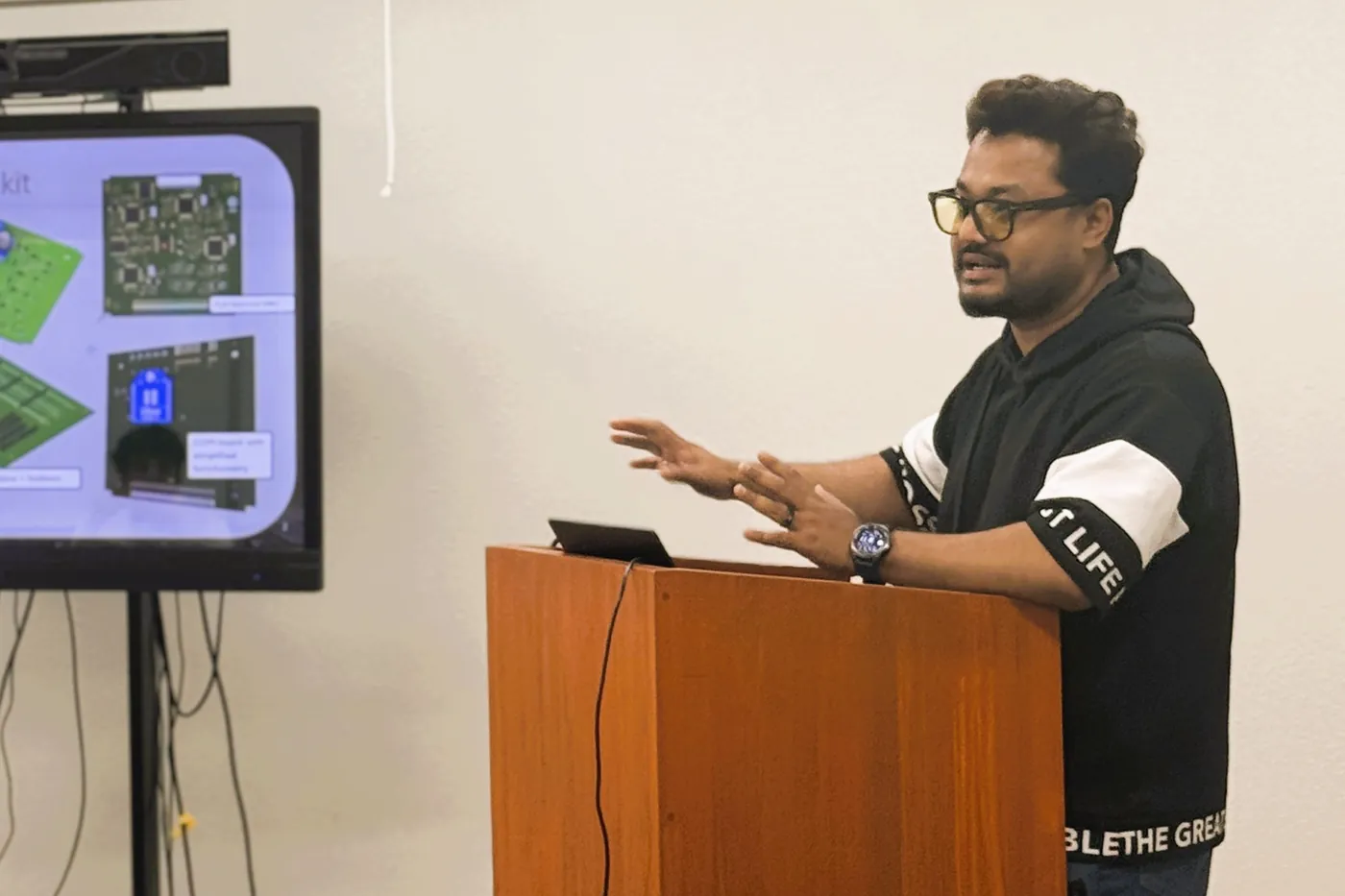
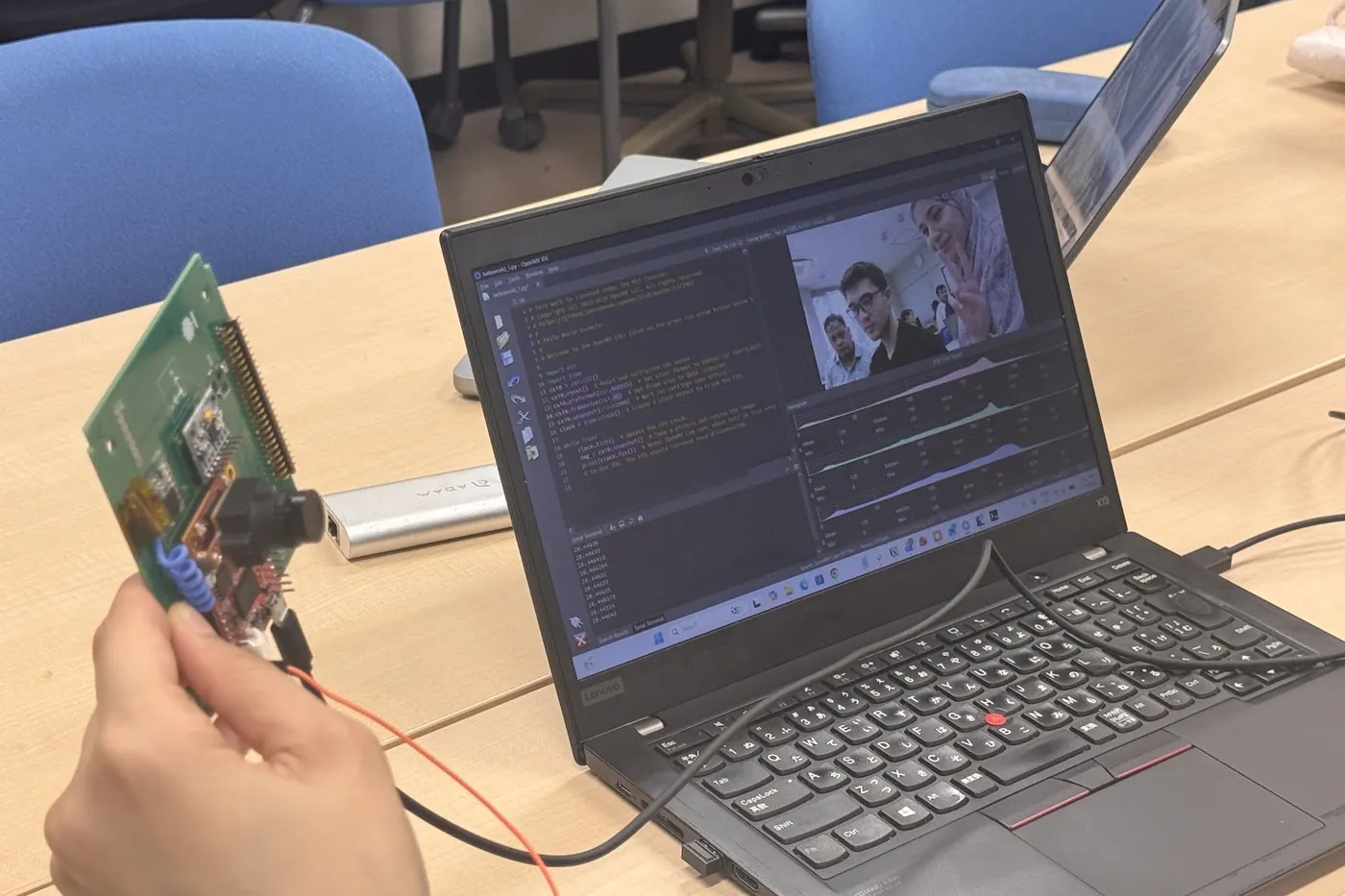
An instructor presenting hardware to the class Hands holding a circuit board while working at a laptop

01

Basic Program

Assemble the basic structure of a satellite and take it through to real communication.

What we provide

  • Component kits and textbooks, shipped
  • Video-based learning tools
  • Foundational exercises, through to live communication
  • Regular consultations
  • Interim and final feedback on exercises

What you finish with

A report, plus assembly of the satellite's basic structure and an inter-component communication exercise
02

Advanced Program

Implement a small satellite including its bus and mission sections, then carry it through launch, data collection and analysis.

What we provide

  • Support in drafting the satellite development plan
  • Formation of a manufacturing and training team (2–10 engineers and staff)
  • Hosting trainees at the laboratory (2–10 people)

What you finish with

A small satellite including bus and mission sections, launched, with data collected and analyzed

SKYTECH PILOT TRAINING 2026 — KYUTECH

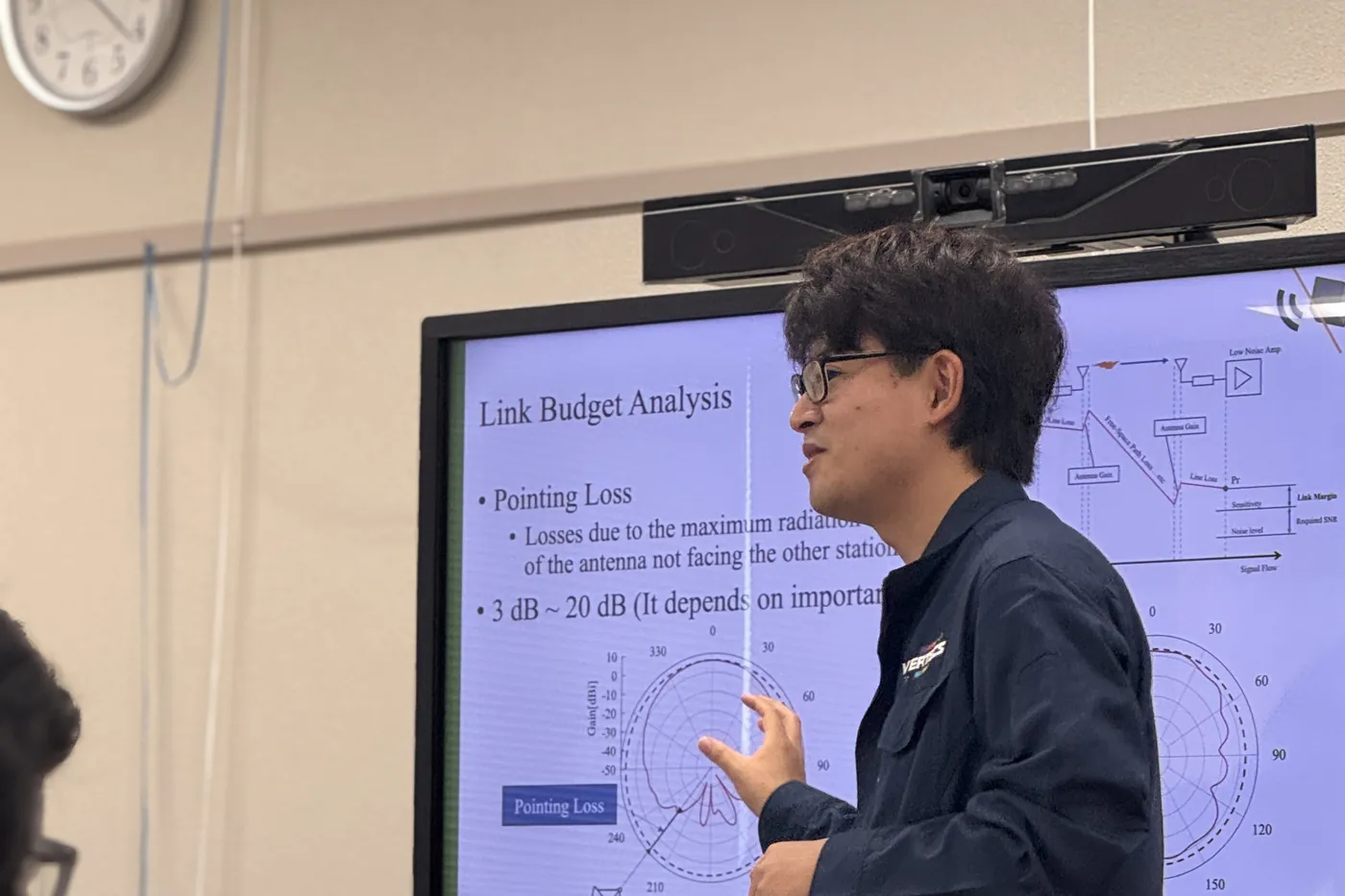
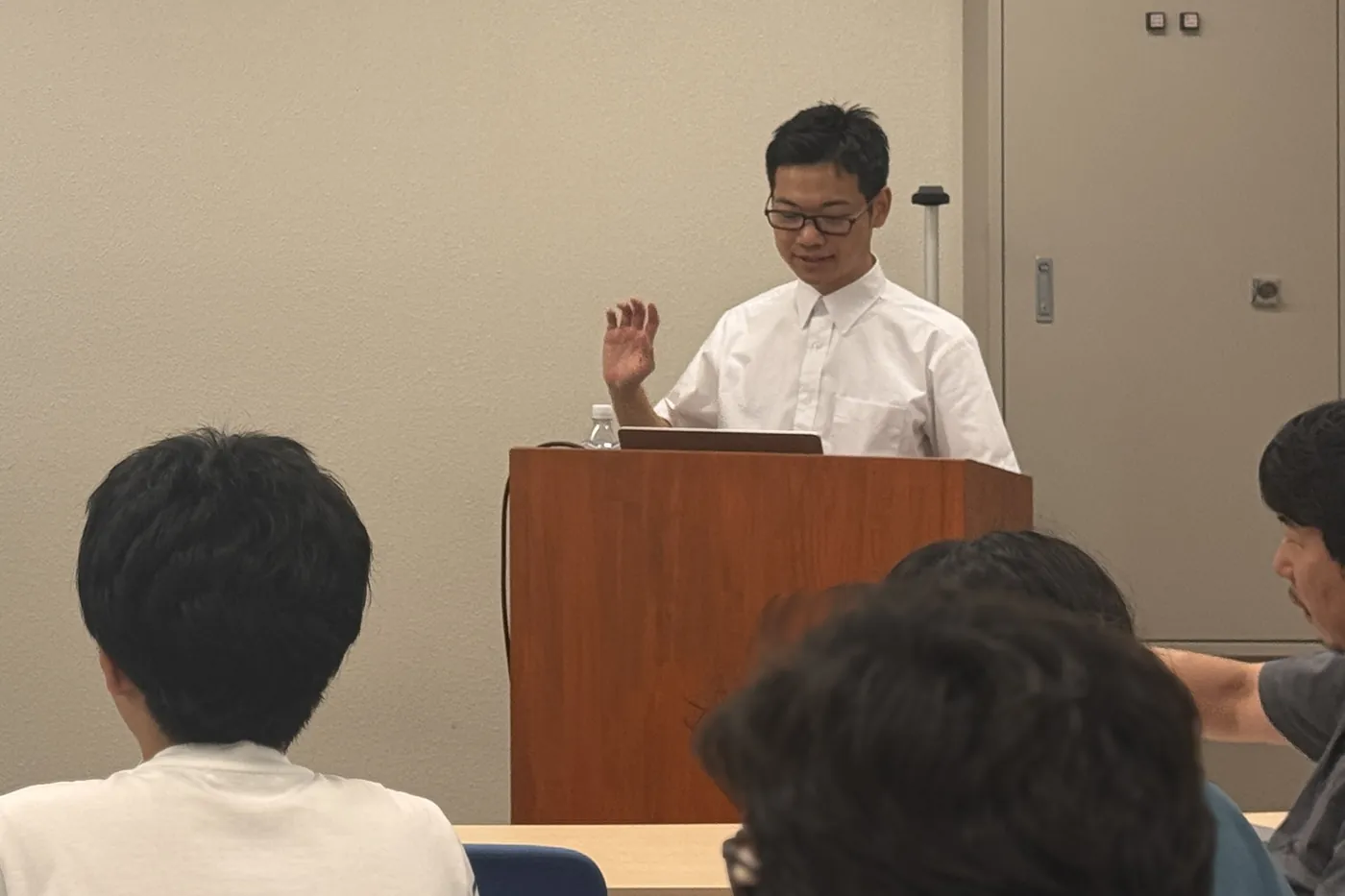
An instructor explaining link budget analysis An instructor presenting on mission assurance Trainees attending a lecture in the classroom

03 — TRACK RECORD

HERITAGE

These figures were built by Kyushu Institute of Technology (Kyutech) and the BIRDS program. KS4E carries that heritage forward and offers it as a training service.

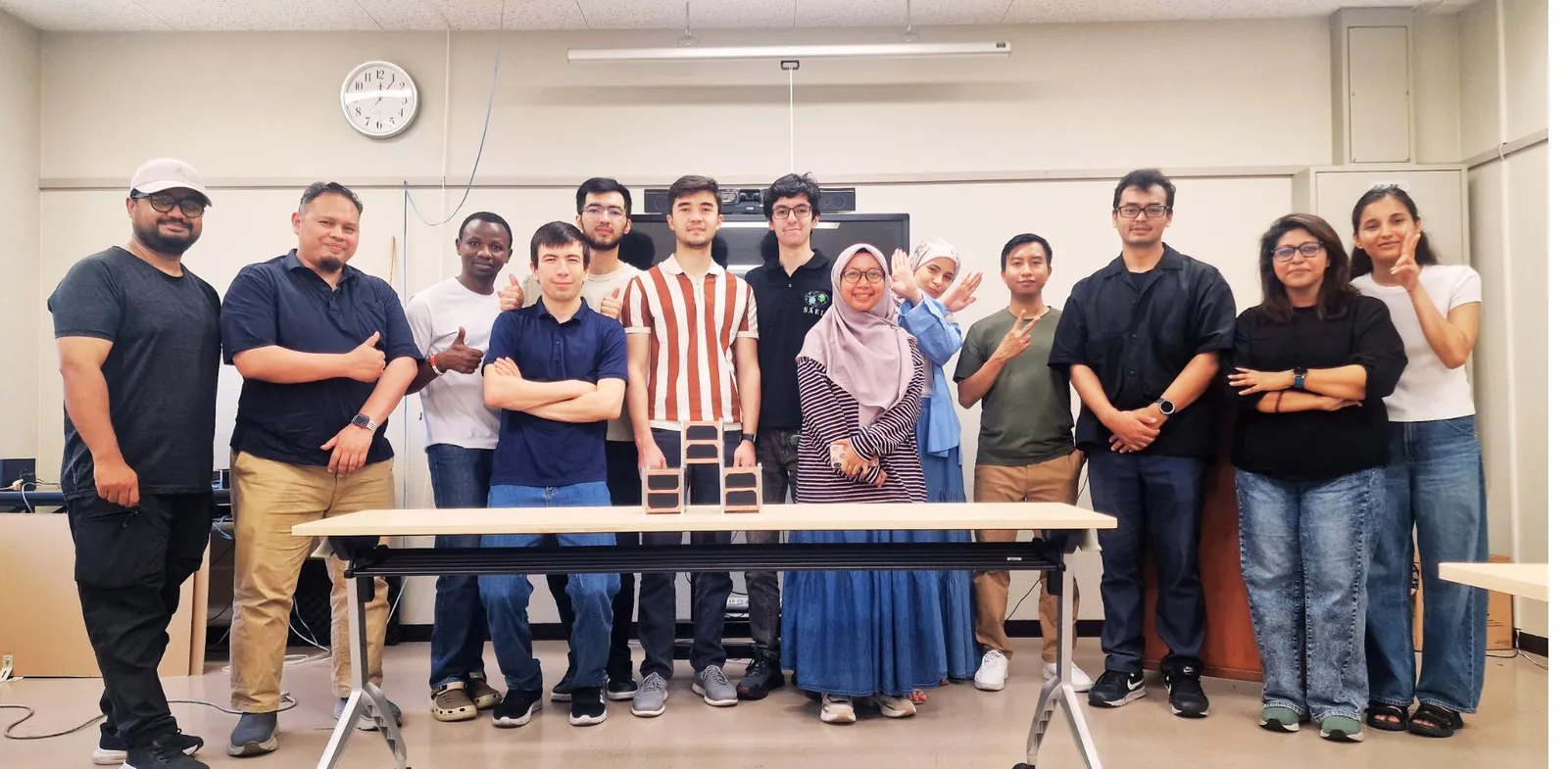
Group photo of the SkyTech Pilot Training participants
SkyTech Pilot Training 2026

30+ satellites

Launched by Kyutech since 2012

approx. 50 countries 200 students

International students who studied at Kyutech, and the network they form

400+ tests

Space environment tests conducted for external users since 2010

50cm / 50kg

The only testing center at a Japanese university equipped for every space environment test

Kitakyushu (Kyushu Institute of Technology, Kyutech) and the 12 countries that joined the BIRDS program. Touch a point to see which generation it took part in.
Source: Kyushu Institute of Technology (Kyutech), LaSEINE materials (May 2026), p.22. Japan is treated separately, as the point of origin.

Ghana, Mongolia, Nigeria, Bangladesh, Bhutan, Malaysia, the Philippines, Sri Lanka, Nepal, Paraguay, Zimbabwe, Uganda. Many of the nations that joined the BIRDS program placed their first national satellite in orbit with their own hands.

First in the world among academic institutions for nanosatellite launches (Bryce Space and Technology, Smallsats by the Numbers 2023, published 2024). Figures are as of 2025. All figures are drawn from Kyushu Institute of Technology (Kyutech) LaSEINE materials, May 2026.

04 — BEYOND TRAINING

BEYOND

Once you can build satellites, the next question is how to keep them useful. Capacity building is the entry point, and we have designed the path all the way through.

Satellite IoT Solutions
Combining remote sensing with in-situ observation data to address weather, early warning, index insurance, air quality and urban monitoring, and other social challenges.
Low-Cost Satellite Network
Through a constellation, we aim to provide a link for collecting data anywhere in the world at a dramatically lower price.
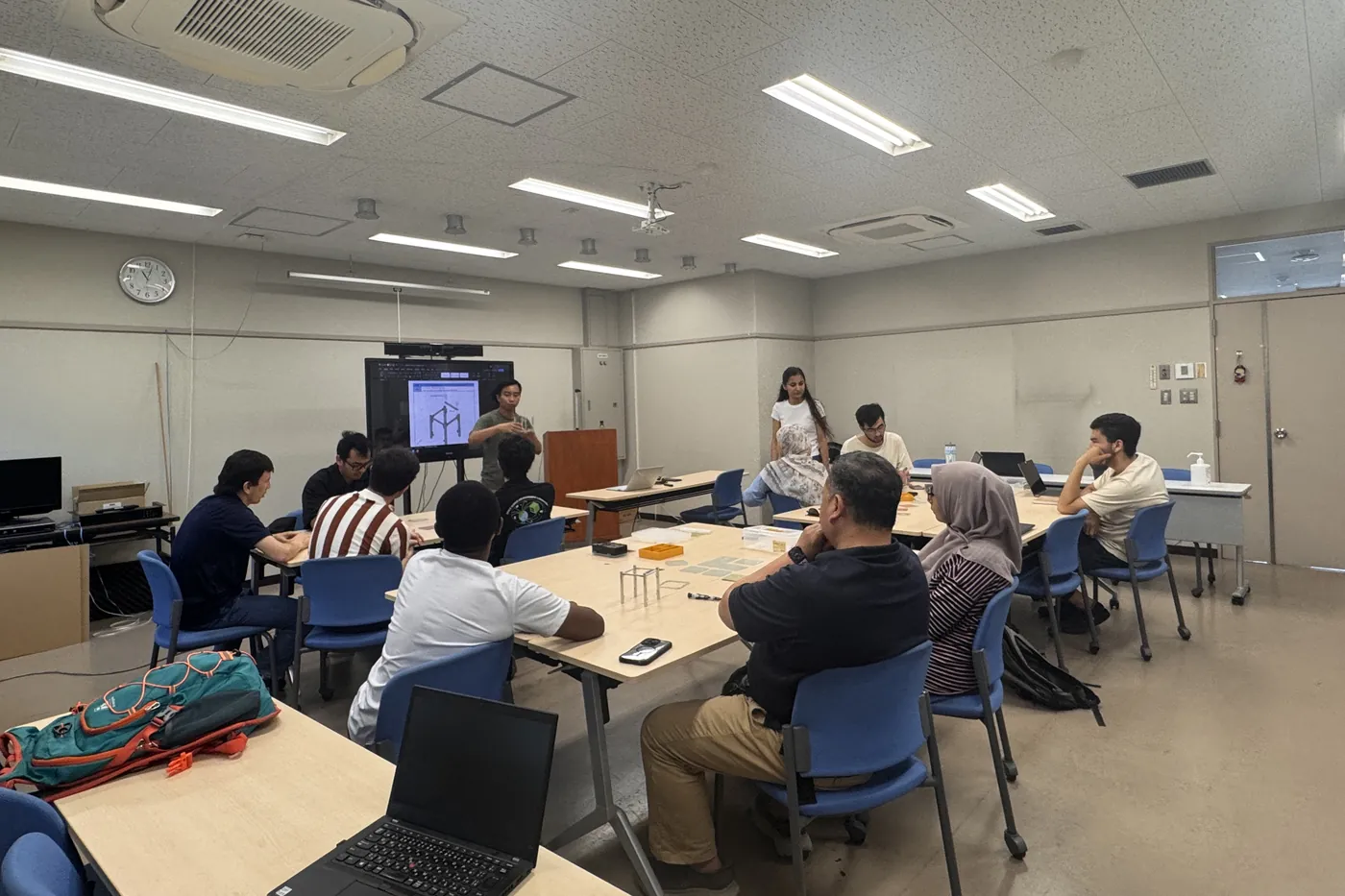
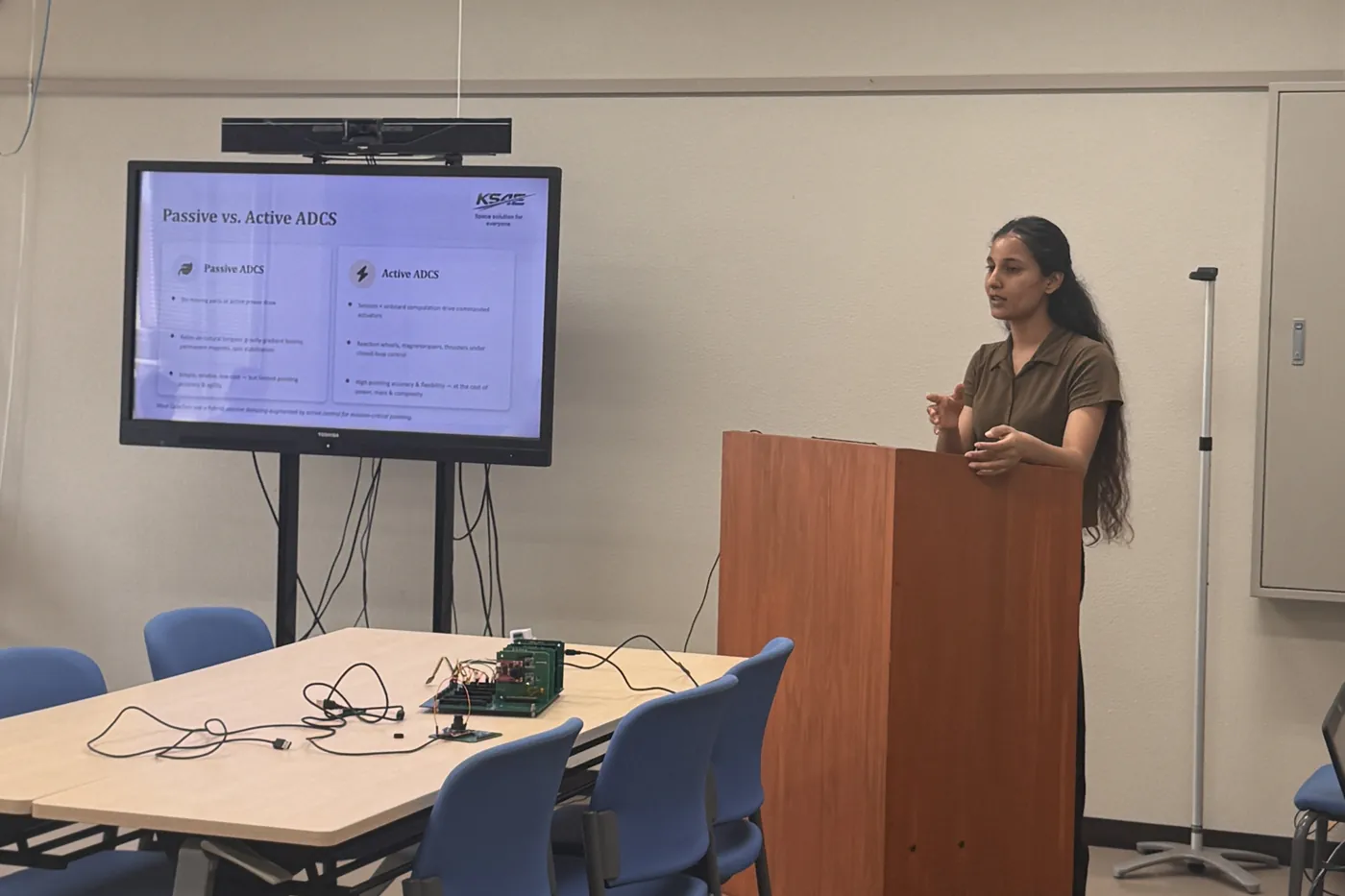
An instructor showing a satellite structure during a session An instructor explaining attitude control options

05 — FOUNDER

FOUNDER

Traveling through emerging nations as a student is where this work began.

The people who live and work in these communities understand their challenges best. I wanted to connect their knowledge and ideas with the technology and expertise available in Japan to help turn their ideas into solutions. This vision grew from years of collaborative research and projects with developing countries at Kyushu Institute of Technology (Kyutech). In 2025, we established KS4E Co., Ltd. to take this work beyond the university and create practical solutions together with our partners.

Tetsuhito FuseRepresentative Director / Specially Appointed Associate Professor, Kyushu Institute of Technology (Kyutech)

CAREER

Joined the Japan Aerospace Exploration Agency (JAXA). Held roles in satellite operations, experiment hardware development for the ISS module Kibo, and corporate planning
Joined the launch of the Space Exploration Innovation Hub. Led the design of JAXA's first open innovation scheme and the launch of a lunar farm concept
Earned a professional degree in Management of Technology (MOT)
Appointed Specially Appointed Associate Professor at Kyushu Institute of Technology (Kyutech), advancing joint research with emerging nations using nanosatellites
Founded KS4E, Inc. and became Representative Director
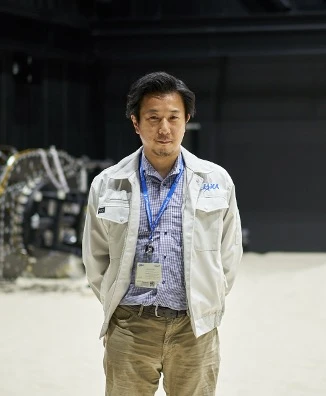
Representative Director Tetsuhito Fuse speaking at a lecture Representative Director Tetsuhito Fuse

06 — COMPANY

COMPANY

Kyutech Space Solution for Emergings (KS4E) is a Kyushu Institute of Technology-spinoff startup that applies the university’s expertise in nano-satellite development, human resource development, and international collaboration—cultivated over many years—to emerging markets and non-space companies, with the goal of solving social issues using space technologies and fostering a new space industry.

Name
Kyutech Space Solution for Emergings, Inc. (KS4E)
Address
1-1 Sensui-cho, Tobata-ku, Kitakyushu, Fukuoka 804-0015, Japan
Representative
Tetsuhito Fuse
Founded
October 15, 2025
Business
Training services for small satellite development / Satellite bus technology / Satellite data applications

CONTACT

For training programs, joint research, or press inquiries, please get in touch.

Open the contact form (opens in a new tab)